In short
- Pubertal gynecomastia affects nearly one boy in two, peaking around age 13–14.
- It is caused by a temporary hormonal imbalance during puberty and goes away on its own in the vast majority of cases, within 6 months to 2 years.
- It can be on one side only and tender: this is common and usually harmless.
- See a doctor if it appears before puberty, if it is large, if it lasts more than 2 years or past 17–18, or if the testicles look abnormal.
- Surgery, if needed, is generally considered once puberty is over.
Around 12, 13 or 14, many boys notice a small lump under one nipple, sometimes under both. It is tender, shows under T-shirts, and arrives at the worst possible time: changing rooms, swimming pools and other people’s eyes. It needs saying clearly, to teenagers and parents alike: it is one of the most ordinary things about puberty, and it almost always disappears on its own.
Why the chest swells during puberty
At the start of puberty, the testicles and adrenal glands start producing hormones. For a few months, oestrogens rise faster than testosterone. That slight lag is enough to stimulate the small breast gland every boy has. Once testosterone reaches adult levels, the balance is restored and the gland shrinks.
It usually appears between 12 and 14, midway through puberty, when the testicles have already started to grow and pubic hair is appearing.
It really is common
In most cases it is a small disc of 1 to 3 cm under the areola, sometimes barely visible. It can be:
- on one side only, or on both sides a few months apart;
- tender or painful, especially when a T-shirt rubs or after a knock;
- accompanied by a slightly puffy nipple that shows under clothes.
How long it lasts
The rule is spontaneous regression, usually within 6 months to 2 years. A small proportion of pubertal gynecomastia persists into adulthood, especially when it was large, or when excess weight keeps the hormonal imbalance going through fat. According to the reference review in the New England Journal of Medicine, persistent pubertal gynecomastia accounts for about a quarter of adult gynecomastia seen by doctors.
When to see a doctor
An appointment with the GP is always a good idea. It reassures, checks that everything is normal, and gives the teenager a space to talk about it. It becomes necessary in these situations:
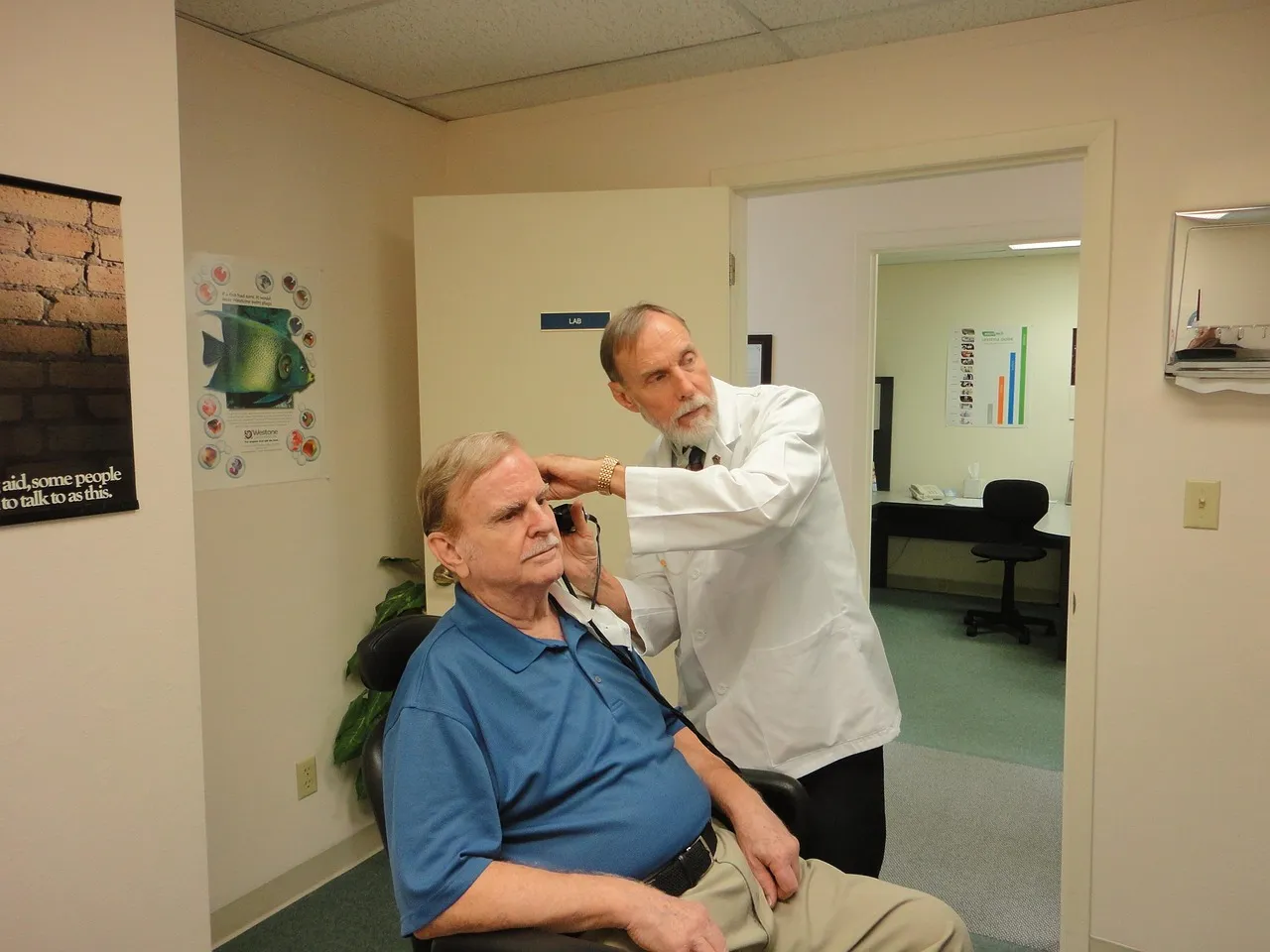
At the appointment, the doctor examines the breasts and testicles and assesses the stage of puberty and the growth curve. If everything fits, no tests are needed: it is simply monitored. Hormone tests or an ultrasound are only ordered if something is unusual.
Treatment in teenagers
Watching and waiting first
In the vast majority of cases, the only treatment is time. A check every six months or so lets the doctor follow how it develops.
Medicines, rarely
Some doctors offer, in selected cases (recent, painful or large gynecomastia), a medicine from the tamoxifen family, used off-label. That decision belongs to a specialist, usually a paediatric endocrinologist. On the other hand, a placebo-controlled trial found anastrozole, an aromatase inhibitor, no more effective than placebo for pubertal gynecomastia. More details: treatment without surgery.
Surgery, after puberty
Surgery is considered when gynecomastia persists after the end of puberty, generally after 17–18 and a period of stability. It may be considered earlier for very large gynecomastia or major psychological distress. See surgery and cost and funding.
The special case of excess weight
In overweight teenagers, gland and fat often coexist. Fat produces oestrogen, which keeps the gynecomastia going. Healthier eating and regular physical activity then reduce the fatty part and can help the gland shrink. No crash diets or obsessive weighing: at this age, support from a doctor or dietitian is better. See gynecomastia or chest fat.
Getting through it: advice for teenagers and parents

For teenagers:
- You are not alone: statistically, nearly one boy in two in your class is going through the same thing, more or less visibly.
- It is not a lack of masculinity: it is precisely the arrival of your male hormones that causes it.
- For everyday life, slightly thicker T-shirts, open shirts over a T-shirt, and dark or patterned colours help a lot. See how to hide gynecomastia with your clothes.
- For the pool and the beach, a rash vest is discreet and very common.
- A light compression vest can be worn under your clothes, as long as it is the right size and taken off at night. See our comparison.
- Avoid at all costs “anti-gynecomastia pills” sold online and “testosterone booster” products: useless at best, dangerous at worst.
For parents:
- Bring it up simply, without laughing and without dramatising, and offer a doctor’s appointment: many teenagers do not dare ask.
- Watch for signs of distress: suddenly refusing sport or swimming, baggy clothes in the middle of summer, withdrawal, teasing. Worry about his chest can weigh very heavily on self-esteem at this age.
- If he is very affected, psychological support can help, and the doctor can take this distress into account when deciding on treatment.
Your questions
At what age does pubertal gynecomastia go away?
My son has a painful lump under one nipple. Is it serious?
Can exercise make a teenager’s gynecomastia go away?
Can a teenager wear a compression shirt?
Can gynecomastia be operated on at 15 or 16?
My son has been taking bodybuilding supplements. Could that be the cause?
Sources
- French Society of Dermatology / Brest University Hospital — Prevalence of 48 to 64% at puberty
- MSD Manual (Professional Version) — Pubertal gynecomastia
- Henley DV et al. Prepubertal gynecomastia linked to lavender and tea tree oils. N Engl J Med 2007
- Plourde PV et al. Safety and efficacy of anastrozole for the treatment of pubertal gynecomastia: a randomized, double-blind, placebo-controlled trial. J Clin Endocrinol Metab 2004