In short
- The basics: a compression garment underneath, a well-chosen outfit on top.
- Go for structured fabrics (oxford, denim, thick knits), dark colours and patterns.
- Layering is your best friend: open shirt, overshirt, jacket, gilet.
- Avoid thin, shiny fabrics, T-shirts that are either too tight or too baggy, and narrow horizontal stripes.
- For the beach and pool: a rash vest, an open linen shirt, and good posture.
Dressing with gynecomastia often means dressing against your body: T-shirts two sizes too big, hunched shoulders, arms crossed in photos, a hoodie in the middle of June. These reflexes are understandable, but they often draw more attention than they deflect. The right clothing choices, on the other hand, can make a chest practically invisible. Here are the principles, then outfits for each situation.
The principle: two layers working together
- Underneath, a compression garment flattens the chest. It does most of the work. See the comparison.
- On top, an outfit that doesn’t cling to the chest, breaks up contours and draws the eye elsewhere.
Even without a compression garment, the advice below clearly improves your silhouette.
Fabrics
Go for fabrics with structure that hang straight without following your shape:
- oxford, heavy poplin, flannel and denim for shirts;
- heavyweight cotton (180 to 220 g/m²) for T-shirts;
- chunky knits and ribbed knits for jumpers;
- linen in summer, which stays structured and doesn’t cling.
Avoid thin, fluid or shiny fabrics: fine jersey, viscose, clingy technical polyester, satin. They follow every contour and catch the light on the chest.
Colours and patterns
- Dark, matt colours (navy, charcoal, dark khaki, burgundy, black) absorb light and soften the shadows that define volume.
- Patterns (small checks, herringbone, subtle prints, marl fabrics) blur the outline. This is one of the most effective tricks.
- Vertical stripes lengthen the silhouette; narrow horizontal stripes distort over the chest and emphasise volume.
- White and pale colours in thin fabric are the hardest to wear on their own. In a heavy shirt or as a layer, they become easy again.
Cuts
- Fitted at the shoulders, straight over the torso. The shoulder seam should sit exactly on your shoulder. A garment that is too big makes you look bulky and, by hanging from the chest, can emphasise it.
- Not too slim. A slim-fit shirt pulling between the buttons at chest level is the worst-case scenario.
- Chest pockets (shirts, overshirts, jackets) add volume and structure exactly where you need it, and draw the eye to a detail.
- The neckline matters. A deep or very open V-neck draws the eye to the upper chest. A crew neck, a henley, or a shirt buttoned to the second-to-top button are safer.
Layering, your secret weapon
An open layer on top creates vertical lines that lengthen the torso and hide the sides of the chest:
- an open shirt over a T-shirt;
- an overshirt or shirt jacket;
- an unstructured blazer, denim jacket or work jacket;
- a quilted or knitted gilet;
- a cardigan or open zip-up jumper.

Posture
It is often overlooked, but slouching to hide your chest makes it stick out: rounded shoulders push the chest together and forward. Shoulders down and open, chest slightly lifted: the torso lengthens and the outline flattens. Strengthening your upper back (rows, pull-downs) helps you hold this posture naturally. See losing chest fat.
Outfits, situation by situation
At work
- An oxford shirt or a shirt with a small pattern, with chest pockets if possible;
- a skin-tone compression shirt underneath, V-neck if you open the top button;
- a jacket or blazer, even unstructured: it is the piece that hides the chest best.
At the weekend
- A heavyweight cotton T-shirt in a dark colour, or marl;
- an overshirt or open shirt on top;
- a chunky knit in spring and autumn.
For an occasion (wedding, evening)
- A suit: the structured jacket practically erases the chest. Keep it buttoned when you stand;
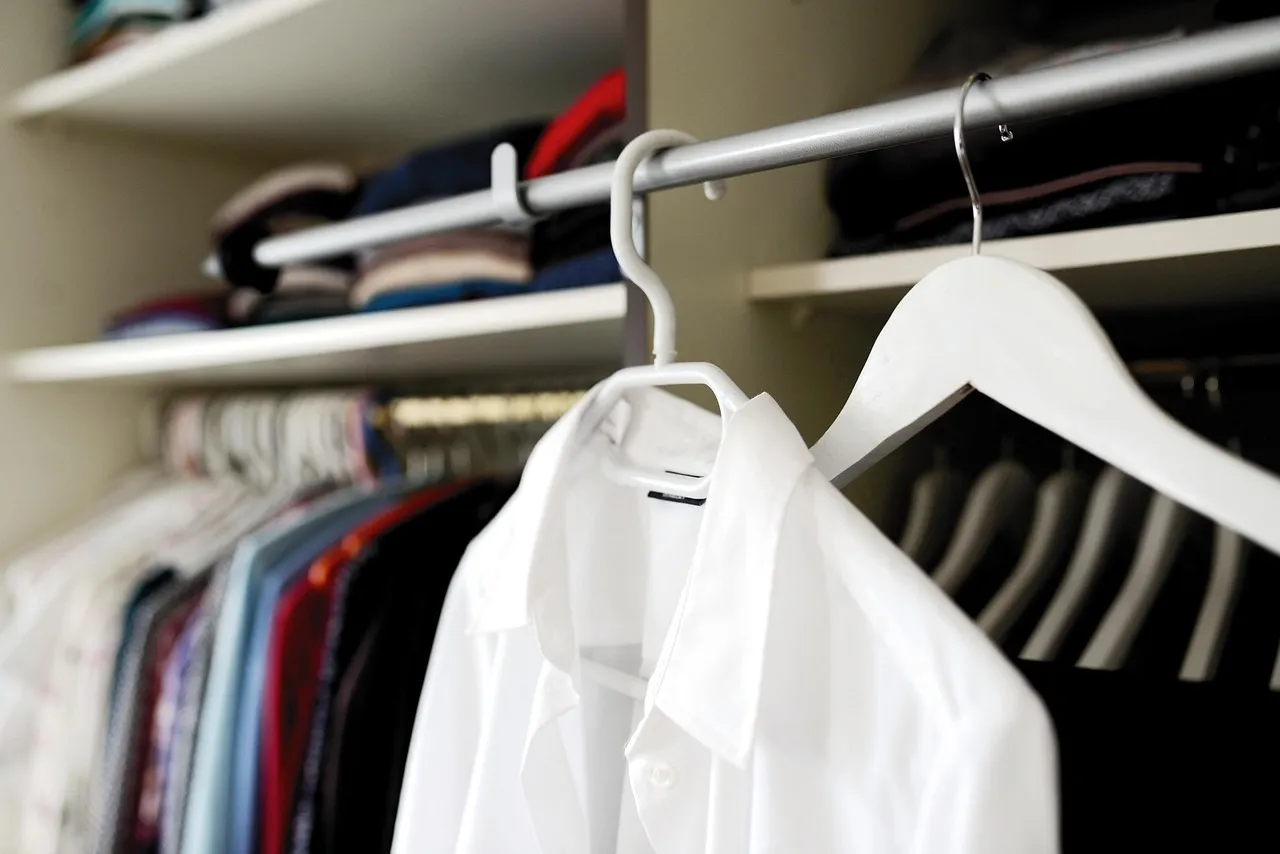
- a shirt in heavy poplin rather than thin cotton;
- a waistcoat: it holds and structures the torso;
- this is the day for strong compression, such as a zip-up vest.
Summer
This is the hardest season. The solutions:
- a compression tank top under a short-sleeved shirt (which one to choose);
- a linen shirt or a light but structured cotton one, worn open over a T-shirt;
- a thick piqué polo rather than a thin T-shirt;
- patterned fabrics in mid-tones (blue, khaki, terracotta) rather than pure white.
At the beach and the pool

- A rash vest (lycra swim shirt) is the most discreet solution: many men, children and surfers wear one for sun protection. Snug-fitting, it also holds the chest a little. Choose a dark or patterned colour, because light lycra becomes see-through when wet.
- An open linen shirt on top, in the shade or while walking.
- Swim shirts with a compression panel exist from some specialist brands.
Rash vest (lycra swim shirt)
Beach, pool, water sports.
- Common and discreet
- Sun protection
- Dries fast
- Moderate compression
- White becomes see-through when wet
Nipple covers for men
Under a thin T-shirt, for sport, when running.
- Invisible
- Prevent chafing
- Do nothing for volume
Affiliate links: if you buy through these links, Torse plat may earn a commission at no extra cost to you. It does not change our selection or our criteria.
At the gym and for sport
- a moderate compression top, or a heavy, dark technical T-shirt;
- nipple covers for running;
- a loose T-shirt with the right shoulder size over a compression tank top, if you prefer.
The most common mistakes
- The T-shirt two sizes too big: it widens the silhouette and hangs from the chest.
- The thin, tight T-shirt: it outlines every contour.
- A hoodie in midsummer: it draws attention instead of deflecting it, and you suffer in the heat.
- A white vest under a white shirt: it shows more than a skin tone.
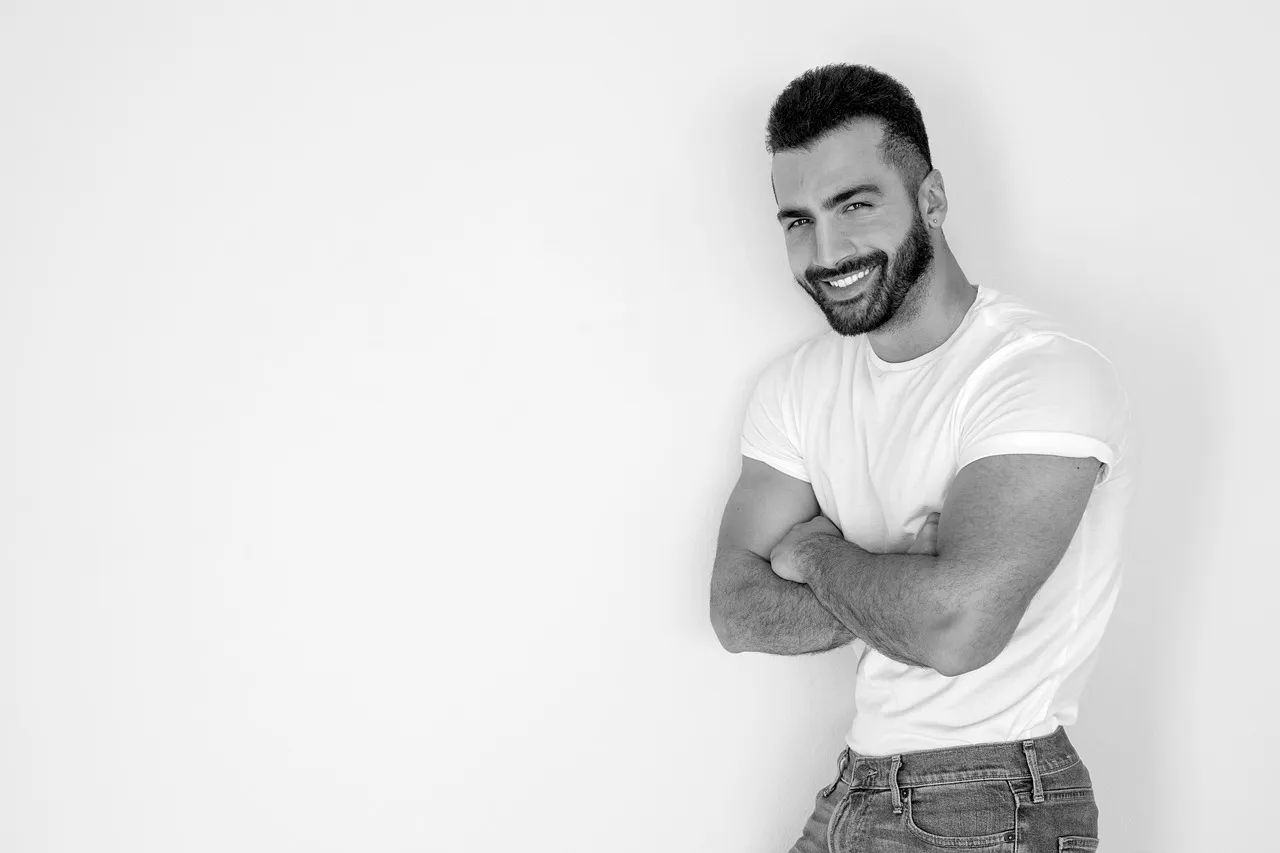
- Arms crossed all the time: a closed posture gets noticed.
Beyond clothes
Dressing smartly lets you live normally in the meantime. But if your chest has been dictating how you dress for years, know that more lasting solutions exist. Fat can be reduced, recent gynecomastia can be treated, and established gynecomastia can be corrected with surgery. Start with the complete guide or the gland or fat test.