In short
- The deciding factor is how long you have had it: gynecomastia that is under a year old can shrink; after that, the tissue becomes fibrous and no longer responds to medicines.
- The first treatment: remove the cause (a replaceable medicine, steroids, a hormonal imbalance).
- Tamoxifen, on prescription and off-label, is the most studied medicine for recent, painful gynecomastia.
- Aromatase inhibitors have given disappointing results; fat freezing only works on fat.
- Creams, herbs, "anti-gynecomastia" supplements and targeted exercises have not been shown to work on the gland.
“Can I get rid of it without surgery?” It is the most common question, and the honest answer is: it depends mainly on how long you have had it and what it is made of, gland or fat. Here is what medical knowledge says, option by option, without sugar-coating.
The golden rule: time
Gynecomastia goes through two phases:
- The active phase, the first few months: the gland is growing and is often tender or painful. It can still shrink, on its own or with treatment.
- The fibrous phase, after about 12 months: the glandular tissue is replaced by dense, painless fibrous tissue. It no longer shrinks, either on its own or with medicines.
1. Remove the cause: the first treatment
Before any medicine, doctors look for what can be corrected:
- a medicine responsible, which the doctor can sometimes replace with an alternative;
- steroids, prohormones or dubious supplements, to be stopped (see the dedicated article);
- a hormonal imbalance (hypogonadism, overactive thyroid, excess prolactin), treated in its own right;
- heavy alcohol or cannabis use.
When the cause is removed early, recent gynecomastia often shrinks within a few months. See the causes of gynecomastia.
2. Waiting: a real option in some cases
In teenagers, watchful waiting is the standard approach: spontaneous regression within 6 months to 2 years is the rule (see the article). In adults, recent gynecomastia whose cause has been removed can also simply be monitored for a few months.
3. Medicines
All of them are prescription-only, after tests, and most are used off-label for this purpose. This is information, not encouragement to self-medicate.
Tamoxifen and raloxifene
These are selective oestrogen receptor modulators: they block the action of oestrogen on the breast gland. Tamoxifen is the most studied. In recent, painful gynecomastia, published case series report less pain and partial or complete regression in most patients, with treatment lasting around three months. Raloxifene has given comparable results in a few studies.
Their limits: little or no effect on long-standing gynecomastia, a risk of recurrence after stopping, and possible side effects (digestive problems, hot flushes and, more rarely, blood clots) that require medical follow-up.
They are also used preventively in men receiving anti-androgen treatment for prostate cancer, in whom gynecomastia is very common.
Aromatase inhibitors
Anastrozole and similar molecules block the conversion of testosterone into oestrogen. On paper, they look appealing. In practice, the results are disappointing. A placebo-controlled trial in pubertal gynecomastia showed no benefit, and they have proved less effective than tamoxifen in adults.
Androgens
A dihydrotestosterone (androstanolone) gel, applied to the skin, has been used in some countries for certain cases of gynecomastia, especially in puberty, with variable results. In men who lack testosterone (hypogonadism), replacement therapy can improve gynecomastia. In men with normal testosterone, however, adding testosterone is pointless and can even make things worse through aromatisation.
In summary
| Medicine | Effect on recent gynecomastia | On long-standing gynecomastia |
|---|---|---|
| Tamoxifen | Good in published series | Very weak |
| Raloxifene | Probable (fewer studies) | Very weak |
| Anastrozole | Disappointing | None |
| Testosterone | Only useful if deficient | None |
4. Preventive radiotherapy
In men starting anti-androgen treatment for prostate cancer, low-dose preventive radiotherapy to the breast glands can reduce the risk of gynecomastia. It is a very specific indication, decided by the oncology team.
5. Non-surgical cosmetic techniques
- Cryolipolysis (destroying fat cells with cold) can modestly reduce chest fat. It has no effect on the gland.
- Radiofrequency, focused ultrasound and “fat-dissolving” injections: the evidence is limited, and these techniques don’t work on glandular tissue either.
These procedures are not funded by public health systems. Before spending the money, make sure your chest is mostly fat.
6. What hasn’t been shown to work
7. What works on fat
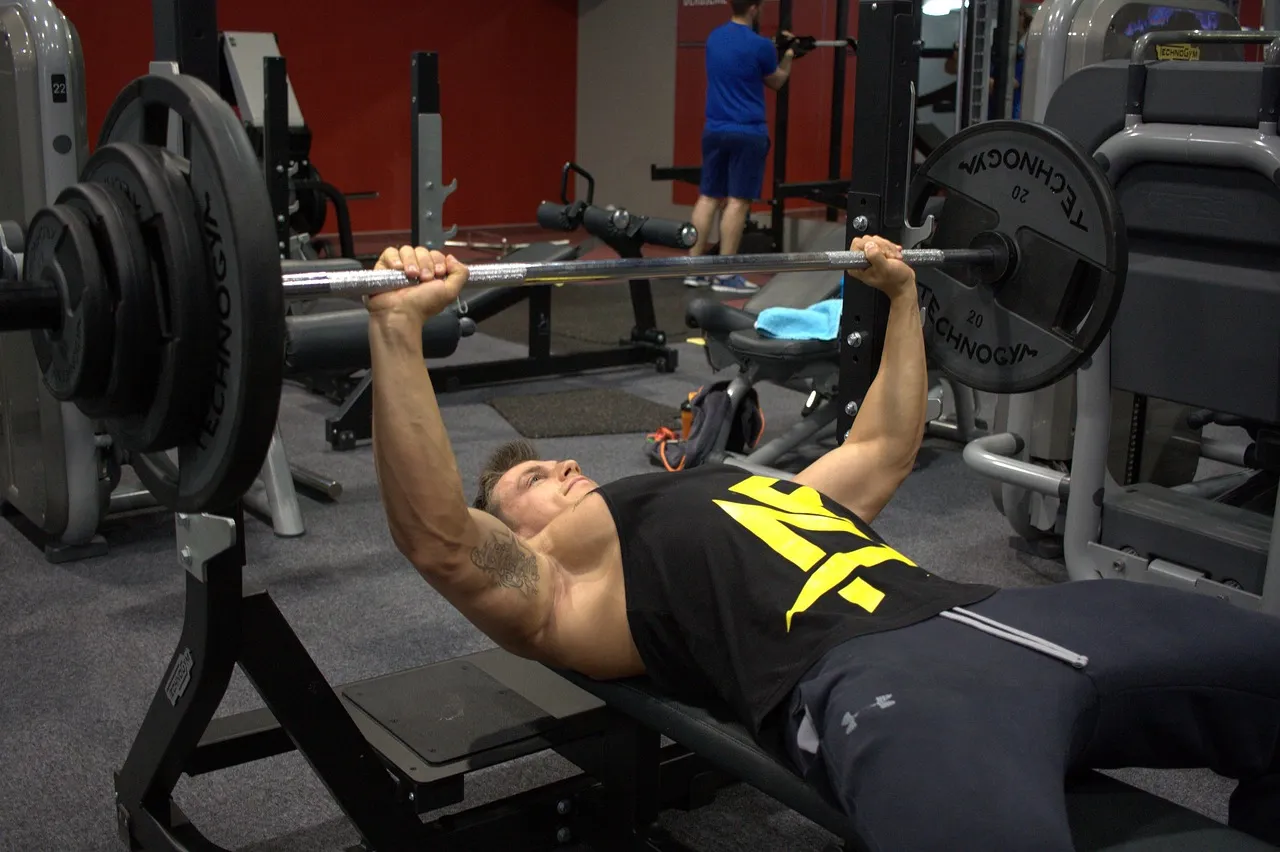
If your chest is mostly fat, the real non-surgical solution is fat loss combined with strength training. It works, but it takes months. Our method: losing chest fat.
8. Hiding it in the meantime
Whatever option you choose, a compression garment makes your chest invisible during treatment or while you wait. See our comparison.
When to move on to surgery?
Surgery becomes the logical option if:
- the gynecomastia is long-standing (more than a year) and not shrinking;
- medical treatment has failed or was poorly tolerated;
- the volume is large, with or without excess skin;
- the physical or psychological discomfort is significant.
It is the only permanent treatment for the gland. See surgery and cost and NHS funding.
Your questions
Can gynecomastia be cured naturally?
Does tamoxifen work for gynecomastia?
Is there a cream for gynecomastia?
Does fat freezing (cryolipolysis) work on gynecomastia?
Gynexol and other anti-gynecomastia pills: do they work?
How long does tamoxifen treatment for gynecomastia last?
Sources
- MSD Manual (Professional Version) — Gynecomastia: treatment
- Braunstein GD. Gynecomastia. N Engl J Med 2007; 357: 1229-1237
- Plourde PV et al. Anastrozole for pubertal gynecomastia: randomized, double-blind, placebo-controlled trial. J Clin Endocrinol Metab 2004
- NHS — Gynaecomastia: treatment